

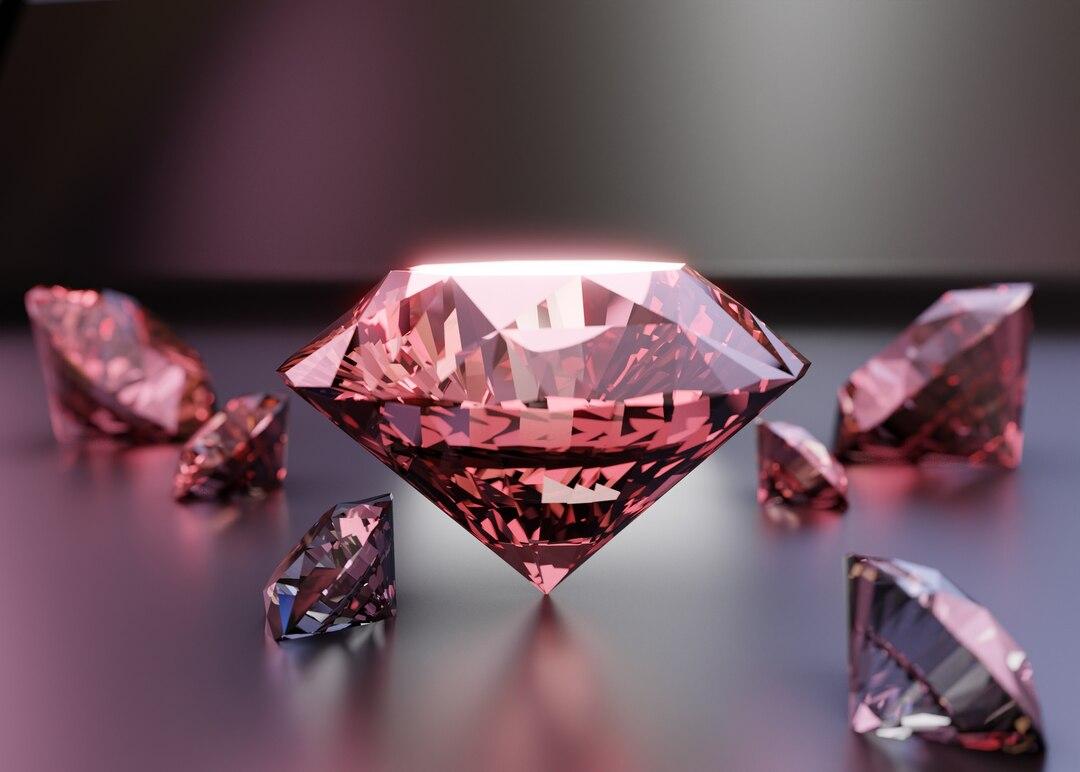
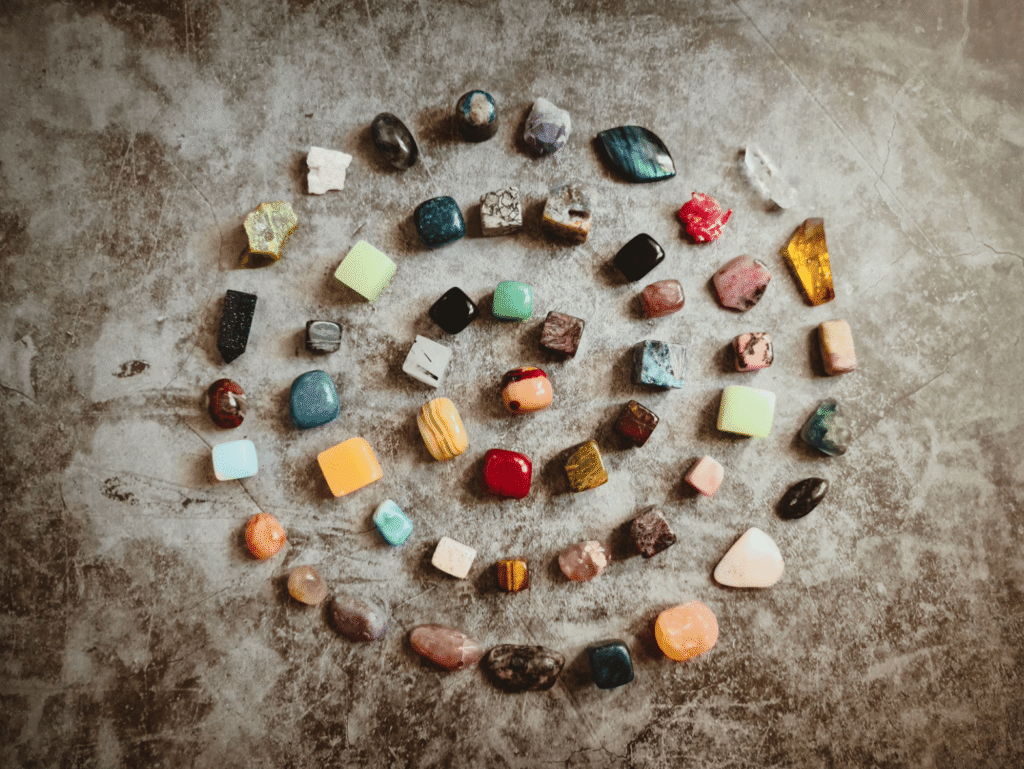
Gemstones have always held a unique place in the world of jewelry. They’re more than just beautiful accessories; they’re personal, symbolic, and sometimes even spiritual. But with so many options out there, how do you know which gemstone is right for you?
Whether you’re shopping for a timeless 18K gold ring, a birthstone necklace, or your first fine gemstone piece, this guide will help you make an informed and meaningful choice.
What are the different types of gemstones?

Gemstones come in a vast variety, each with its own beauty, energy, and meaning. The two main categories are:
Precious gemstones –

These include diamonds, sapphires, emeralds, and rubies. They are valued for their rarity, brilliance, and enduring popularity.
Semi-precious gemstones –

These include amethyst, citrine, peridot, blue topaz, opal, garnet, and many others. While more abundant, they still offer deep symbolism and stunning beauty.
Each stone has its own character. For example, emeralds evoke calm and confidence, while rubies are fiery and bold. Choosing one starts with exploring what resonates with you—visually and emotionally.
What’s the difference between precious and semi-precious stones?
While the term “precious” is traditionally associated with rarity and high value, that doesn’t mean semi-precious gemstones are any less beautiful or desirable. Here’s a simple breakdown:
| Type | Examples | Key Traits |
| Precious Stones | Diamond, Ruby, Sapphire, Emerald | Rare, highly durable, typically more expensive |
| Semi-precious Stones | Amethyst, Citrine, Peridot, Topaz, Opal | Abundant, affordable, diverse in color and symbolism |
Both categories can be set in 18K gold and worn for decades—what matters most is how the gemstone makes you feel.
What do the 4 Cs mean for gemstones, and how do I evaluate them?
While the 4 Cs Color, Clarity, Cut, Carat are most commonly associated with diamonds, they apply to colored gemstones too, though with some variations in priority.
How does color affect gemstone value?

Color is the most important factor in most gemstones. A vibrant, well-balanced hue often determines the gem’s appeal and price.
- Hue: The basic color (e.g., green for emerald, red for ruby)
- Tone: How light or dark the color appears
- Saturation: The intensity or purity of the color
For instance, a top-grade sapphire will display a rich, velvety blue—not too dark or washed out.
What does clarity mean in colored stones?

Clarity refers to internal flaws or inclusions. In gemstones like emeralds, inclusions are common and often accepted, while in others like blue topaz, clarity plays a larger role in value.
Look for stones that are eye-clean—where flaws are not visible without magnification.
How important is the cut of a gemstone?

A gemstone’s cut impacts its sparkle, brilliance, and shape. A well-cut stone reflects light evenly, making the color appear more vivid and lively.
Popular cuts include oval, round, cushion, pear, and emerald-cut. The best cut depends on your style preference and the gemstone’s natural shape.
Does carat weight matter as much as size?

Carat refers to weight, not size. Some stones are denser than others, so a 2-carat amethyst ring may appear larger than a 2-carat ruby ring. Size should be considered alongside proportion, comfort, and wearability.
What is my birthstone—and does it matter when choosing a gem?
Birthstones are deeply personal and often chosen for their symbolic significance. Here’s a quick guide to monthly birthstones:
| Month | Birthstone |
| January | Garnet |
| February | Amethyst |
| March | Aquamarine |
| April | Diamond |
| May | Emerald |
| June | Pearl, Moonstone |
| July | Ruby |
| August | Peridot |
| September | Sapphire |
| October | Opal, Tourmaline |
| November | Citrine, Topaz |
| December | Blue Topaz, Tanzanite |
Wearing your birthstone—or gifting someone theirs—is a thoughtful way to connect jewelry with identity. Many of our clients at Jewels by Galla choose 18K gold birthstone rings or pendants as lasting keepsakes.
Which settings and metals are best for gemstone jewelry?

The setting you choose can enhance or protect your gemstone. Here are some options:
- Prong setting: Elevates the stone to allow maximum light entry—great for brilliance
- Bezel setting: Offers better protection by wrapping the stone in a metal border
- Halo setting: Surrounds the gemstone with small diamonds for extra sparkle
When it comes to metal, 18K gold is ideal for gemstone jewelry. It offers a luxurious look and lasting durability. Choose between:
- Yellow gold – rich and timeless
- White gold – sleek and modern
- Rose gold – soft and romantic
At Jewels by Galla, all gemstone pieces are crafted in 18K gold for elegance and strength.
Can I create custom gemstone jewelry?

Absolutely—and it’s one of the most rewarding ways to shop. Custom gemstone jewelry allows you to:
- Choose a gemstone that holds meaning
- Design a piece that reflects your personality
- Adjust the size, setting, and gold tone to your liking
In Dubai and across the UAE, custom jewelry is becoming increasingly popular for engagement rings, anniversary gifts, and personal milestones.
Our team at Jewels by Galla specializes in custom gemstone designs, combining expert craftsmanship with your vision to create one-of-a-kind pieces.
What factors affect the price and value of a gemstone?

Gemstone pricing depends on several factors:
- Rarity: Some gems like old-cut diamonds, rubies, or natural emeralds are harder to source
- Quality: Higher color saturation, clarity, and well-executed cuts increase value
- Treatments: Heat-treated or enhanced stones are more affordable than untreated ones
- Origin: For example, Colombian emeralds and Burmese rubies command higher prices
Ask for certification and transparency about treatments to ensure you’re getting what you pay for.
How do I care for my gemstone jewelry properly?
To keep your gemstone pieces sparkling and safe:
- Remove jewelry before cleaning, swimming, or exercising
- Clean gently with mild soap, lukewarm water, and a soft brush
- Avoid harsh chemicals or ultrasonic cleaners, especially for softer gems like opal and emerald
- Store separately in pouches or boxes to prevent scratches
Gemstones like amethyst, citrine, and peridot are more durable, while pearls and opals need extra care.
Regular cleaning and mindful wear will keep your jewelry looking stunning for years.
Why should I only buy from a trusted jeweler?
Not all gemstones are created equal—and neither are jewelers. Choosing a trusted source ensures:
- Authenticity and ethical sourcing
- Transparent pricing and certification
- Expert guidance on cuts, settings, and value
At Jewels by Galla, we prioritize ethically sourced gemstones and 18K gold craftsmanship. Every piece is designed to last—both in beauty and meaning.
Whether you’re looking for a sapphire engagement ring, emerald bracelet, or a custom ruby pendant, we’ll guide you through every step.
What should I consider before buying my first gemstone?
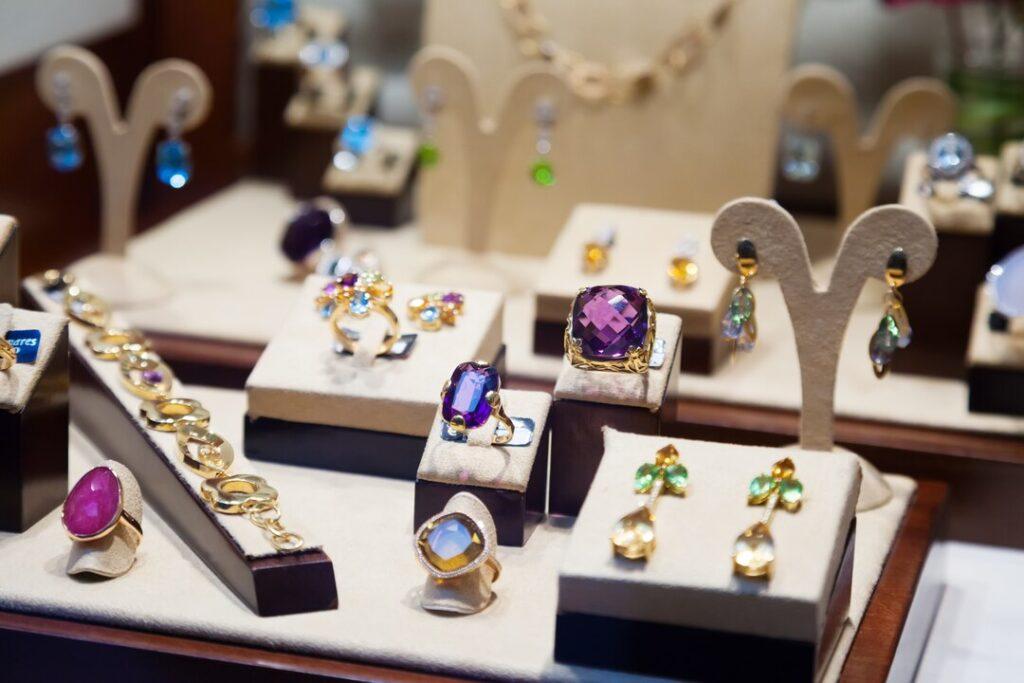
Before making your purchase, ask yourself:
- What does this gemstone mean to me?
- Is this for daily wear or special occasions?
- Do I want a ready-made or custom piece?
- What setting and metal suit my lifestyle?
Most importantly, choose what you love. Jewelry is deeply personal—it should feel right, reflect your story, and make you feel confident every time you wear it.
Gemstones are more than decorations they’re moments, memories, and messages. Whether you fall for the intense green of an emerald, the peaceful purple of amethyst, or the royal blue of sapphire, there’s a gemstone that’s just right for you.
At Jewels by Galla, we’re here to help you find (or create) your perfect piece. With 18K gold settings, ethical sourcing, and expert craftsmanship, our gemstone jewelry is made to be worn, loved, and passed on.
Explore Our Gemstone Collection
From ruby rings and emerald earrings to custom sapphire necklaces, every piece tells a story yours.
Shop Now at jewelsbygalla.com or visit us in Dubai to start your gemstone journey.
Whether you’re just starting your jewelry journey or expanding your collection, these frequently asked questions will help you shop smarter and more confidently:
1. What should I look for when buying a gemstone?
Focus on the 4 Cs—Color, Clarity, Cut, and Carat—along with origin, treatments, and certification. These factors affect both beauty and value.
2. How can I tell if a gemstone is real or fake?
Ask for gemstone certification, look for signs of lab creation or imitation (like overly perfect clarity or color), and buy only from trusted jewelers who offer transparency and authenticity guarantees.
3. What is the difference between natural, synthetic, and treated gemstones?
- Natural gemstones are formed in the earth.
- Synthetic gemstones are lab-created but chemically identical to natural ones.
- Treated gemstones have been enhanced (e.g., heat-treated) to improve appearance. Knowing the difference helps you understand value and durability.
4. Which gemstone is right for me?
Choose based on personal style, birthstone, zodiac sign, occasion, or the meaning behind the stone. For instance, emerald symbolizes rebirth and love, while sapphire is linked to wisdom.
5. Are gemstones a good investment?
Yes, especially rare and untreated stones like rubies or emeralds. While not all gemstones appreciate like fine art, they hold sentimental and resale value over time—especially when set in 18K gold.
6. What is the meaning or symbolism behind popular gemstones?
Gemstones carry deep emotional and cultural significance. For example:
- Ruby: Passion and courage
- Emerald: Renewal and love
- Sapphire: Wisdom and loyalty
- Amethyst: Peace and protection
These meanings make gemstone jewelry meaningful for gifts and milestones.
7. How is the price of a gemstone determined?
Gemstone pricing is influenced by the 4 Cs, rarity, treatments, origin, and overall demand. For example, untreated Burmese rubies or Colombian emeralds can be significantly more expensive than treated versions.
8. Can I buy gemstones online? What should I know before I do?
Yes, but always shop from reputable brands with clear return policies, certified stones, and transparent sourcing. Look for detailed descriptions, real images, and customer reviews.
9. How do I care for my gemstone jewelry?
Avoid harsh chemicals, store pieces separately, clean gently with mild soap and a soft brush, and never expose delicate stones like opal or emerald to ultrasonic cleaners.
10. What are the most popular gemstones and their uses in jewelry?
Top gemstones include:
- Diamonds – engagement rings, everyday wear
- Emeralds – luxury statement pieces
- Sapphires – rings, necklaces, heirlooms
- Rubies – anniversary gifts, bridal sets
- Amethyst, Citrine, Peridot – colorful accents and personal charms
These gems are used in rings, bracelets, pendants, and earrings—especially when set in 18K gold for added durability and elegance.
{ “@context”: “https://schema.org”, “@type”: “FAQPage”, “mainEntity”: [{ “@type”: “Question”, “name”: “1. What should I look for when buying a gemstone?”, “acceptedAnswer”: { “@type”: “Answer”, “text”: “Focus on the 4 Cs—Color, Clarity, Cut, and Carat—along with origin, treatments, and certification. These factors affect both beauty and value.” } },{ “@type”: “Question”, “name”: “2. How can I tell if a gemstone is real or fake?”, “acceptedAnswer”: { “@type”: “Answer”, “text”: “Ask for gemstone certification, look for signs of lab creation or imitation (like overly perfect clarity or color), and buy only from trusted jewelers who offer transparency and authenticity guarantees.” } },{ “@type”: “Question”, “name”: “3. What is the difference between natural, synthetic, and treated gemstones?”, “acceptedAnswer”: { “@type”: “Answer”, “text”: “Natural gemstones are formed in the earth. Synthetic gemstones are lab-created but chemically identical to natural ones. Treated gemstones have been enhanced (e.g., heat-treated) to improve appearance. Knowing the difference helps you understand value and durability.” } },{ “@type”: “Question”, “name”: “4. Which gemstone is right for me?”, “acceptedAnswer”: { “@type”: “Answer”, “text”: “Choose based on personal style, birthstone, zodiac sign, occasion, or the meaning behind the stone. For instance, emerald symbolizes rebirth and love, while sapphire is linked to wisdom.” } },{ “@type”: “Question”, “name”: “5. Are gemstones a good investment?”, “acceptedAnswer”: { “@type”: “Answer”, “text”: “Yes, especially rare and untreated stones like rubies or emeralds. While not all gemstones appreciate like fine art, they hold sentimental and resale value over time—especially when set in 18K gold.” } },{ “@type”: “Question”, “name”: “6. What is the meaning or symbolism behind popular gemstones?”, “acceptedAnswer”: { “@type”: “Answer”, “text”: “Gemstones carry deep emotional and cultural significance. For example: Ruby: Passion and courage Emerald: Renewal and love Sapphire: Wisdom and loyalty Amethyst: Peace and protection These meanings make gemstone jewelry meaningful for gifts and milestones.” } },{ “@type”: “Question”, “name”: “7. How is the price of a gemstone determined?”, “acceptedAnswer”: { “@type”: “Answer”, “text”: “Gemstone pricing is influenced by the 4 Cs, rarity, treatments, origin, and overall demand. For example, untreated Burmese rubies or Colombian emeralds can be significantly more expensive than treated versions.” } },{ “@type”: “Question”, “name”: “8. Can I buy gemstones online? What should I know before I do?”, “acceptedAnswer”: { “@type”: “Answer”, “text”: “Yes, but always shop from reputable brands with clear return policies, certified stones, and transparent sourcing. Look for detailed descriptions, real images, and customer reviews.” } },{ “@type”: “Question”, “name”: “9. How do I care for my gemstone jewelry?”, “acceptedAnswer”: { “@type”: “Answer”, “text”: “Avoid harsh chemicals, store pieces separately, clean gently with mild soap and a soft brush, and never expose delicate stones like opal or emerald to ultrasonic cleaners.” } },{ “@type”: “Question”, “name”: “10. What are the most popular gemstones and their uses in jewelry?”, “acceptedAnswer”: { “@type”: “Answer”, “text”: “Top gemstones include: Diamonds – engagement rings, everyday wear Emeralds – luxury statement pieces Sapphires – rings, necklaces, heirlooms Rubies – anniversary gifts, bridal sets Amethyst, Citrine, Peridot – colorful accents and personal charms These gems are used in rings, bracelets, pendants, and earrings—especially when set in 18K gold for added durability and elegance.” } }] }

