


How to Master the Art of Purchasing the Right Gemstones that Complement You
Shop Smarter and Shine Brighter
Gemstones aren’t just pieces of jewelry worn; they carry a story behind them. Each gemstone carries a purposeful meaning shaped by the earth, refined through craftsmanship, and completed by the person who wears it. Whether you’re buying your first gemstone or if you’re growing your collection, the world of gems can feel dazzling at first. Still, when it comes to deciding on factors such as colours, clarity, cuts, origins, treatments, quality, rarity, and identification, it’s easy to feel overwhelmed.
But choosing the right gemstone that suits your look doesn’t have to be complicated. With the right knowledge, you can buy gemstones with confidence, determine clarity, and intention. This guide transforms gemstone shopping from a guessing game into a journey of education, empowerment, and discovery. Let’s explore how to evaluate gemstones like a true expert and add one of Jewels by Galla’s gemstone pieces as part of your collection.
Understanding the Basics: Colour, Clarity, and Cut
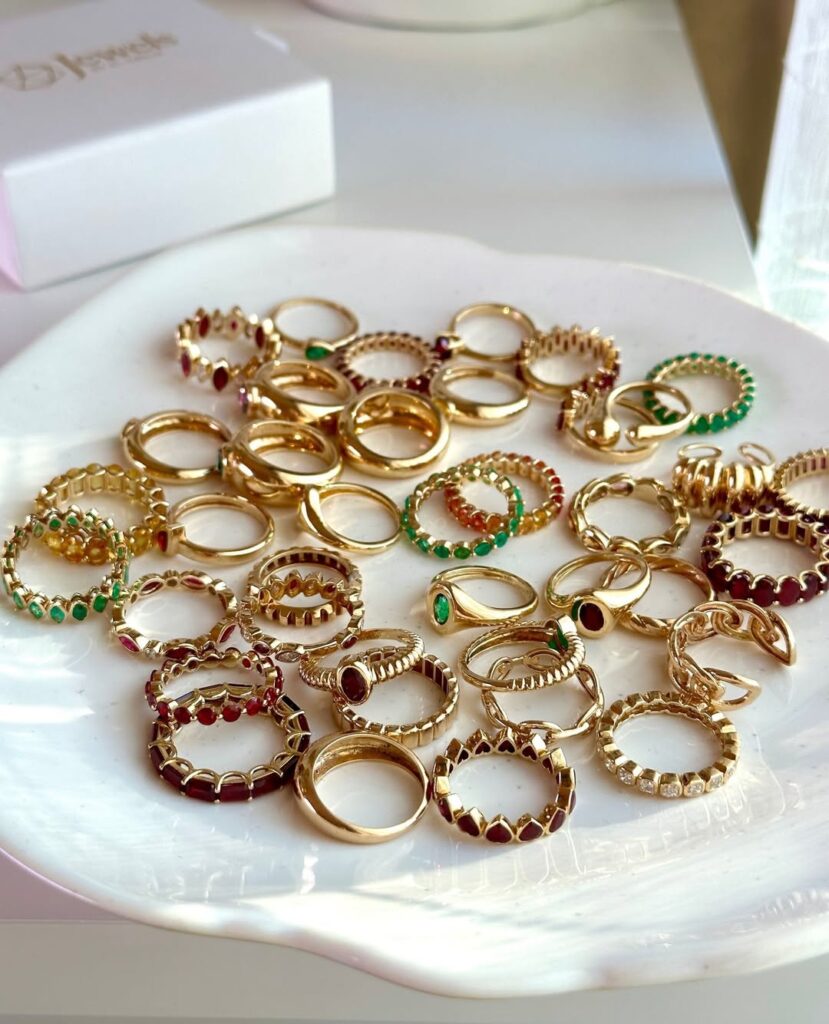
When evaluating a gemstone’s quality, Colour, Clarity, and Cut are important factors in determining the beauty and value of your stone.
What is Colour?
A gemstone colour refers to the hue of the stone (its basic colour, like red, green, blue, etc.), tone (the stone’s lightness or darkness), and its saturation (intensity) that the minerals displayed determine their chemical makeup and are influenced by light interaction, cutting and reatmetg wih the vibrant, pure colours generally being most valueable such as the the vibran tand pure colour, such as the red of the ruby though their are gemstones that are colourless and rare colours that also hold significance. A hue with a balanced tone and strong saturation enhances the appearance of a gemstone. Colour is one of the key 4Cs ( colour, cut, clarity, carat).
What is Clarity?
Gemstone clarity refers to the measure of the stone’s grade, freedom from internal flaws (inclusions) or external imperfections (blemishes). Clarity influences how the light reflects or absorbs from the gemstones, affecting their radiance and appearance. When there’s a higher clarity, it often equates to higher value, though some inclusions may contribute to a gem’s uniqueness with fewer imperfections, leading to greater brightness and value, especially for transparent stone, though grading differs by type and size, number, type and location of inclusions affecting its final grade (for example, flawless to included). Clarity is one of the 4Cs for diamonds and is crucial for evaluating a gemstone’s quality.
What is Cut?
A gemstone cut refers to the gemstone’s facets and the shapes of its multiple sides, for example, the flat, polished surfaces that interact with light to enhance the stone’s glow, colour, and aesthetics. Cut and shape are used interchangeably, so that the cut is specifically described as the pattern, number, and precision of the facets, whereas shape refers to the stone’s outer silhouette (for instance, princess, round, oval, heart). Cut affects how light interacts with and is absorbed by the stone, influencing its brilliance and sparkle. The most popular cuts include brilliant, step, and mixed cuts. Cut is also one of the 4Cs.
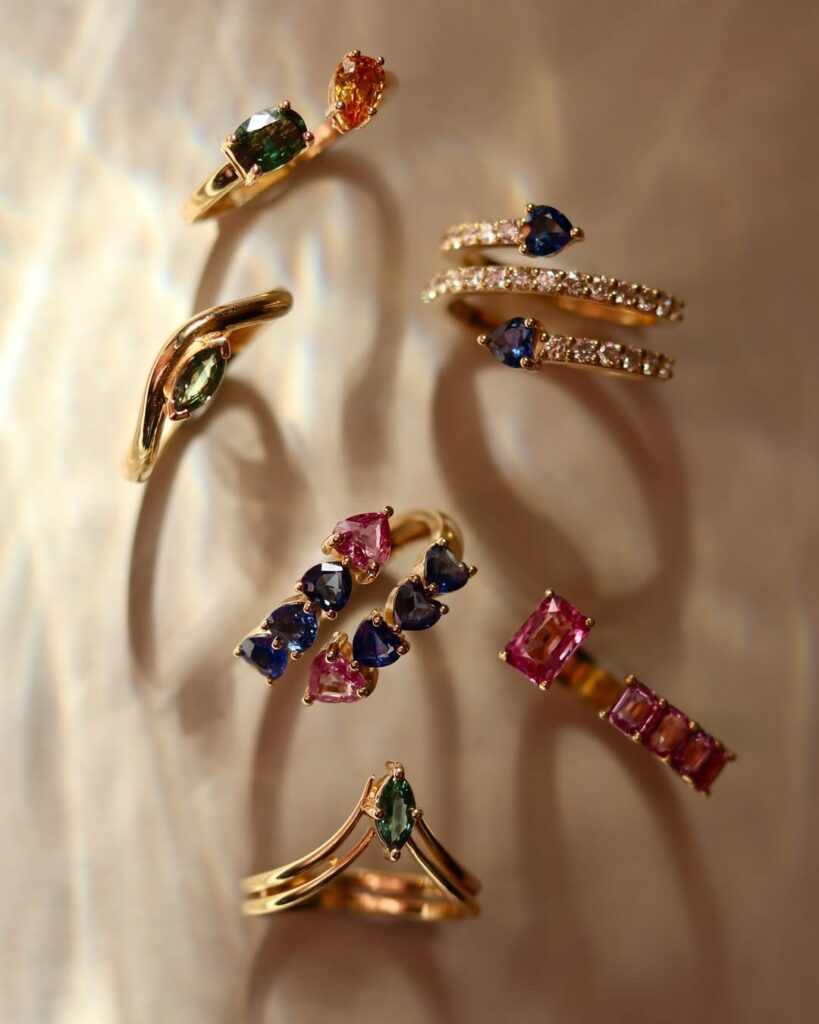
Understanding these elements is crucial whether you are buying gemstones for jewelry, investment, or adding them to your collection.
Decoding Gemstone Colour
Colour is often the first feature that catches the eye, but its nuances are what define a gemstone’s value.
Factors Influencing the Gemstones’ Colour:
- Hue: The basic family colour (red, blue, green, yellow, etc.). Deep, rich hues are generally more desirable.
- Tone: The lightness or the darkness of the gemstone. Stones that are too dark or too light can detract from their visual appeal.
- Saturation: The colour intensity measures the saturation of a colour. High saturation creates vibrant gemstones.
- Treatments: The heat, irradiation, or other treatments that can enhance or change a gemstone’s colour
- Light interaction: For the gemstone, how light is absorbed, reflected, and refracted creates effects on factors such as pleochroism, the different colours at different angles, or asterism, the star effect.
- Chemical Composition: The gemstones’ trace elements, for instance, the chromium in the emeralds, give the gemstones their colour.
- Versatility: Many gemstones offer different qualities, both from the spectrum of shades within the gemstone types and the sheer variety of different gemstone species available, such as sapphire, which comes in all colours, not just blue, and comes in a wide range of colours beyond their most famous colours and notes. Important aspects to keep in mind are the colour combination that allows the range of colours for creativity, skin tone complement, design flexibility, neutral options, bi-colour and colour change gems
- Classic Choice: White and colourless, such as diamonds and pearls, remain a popular choice.
Most popular Gemstone Colour
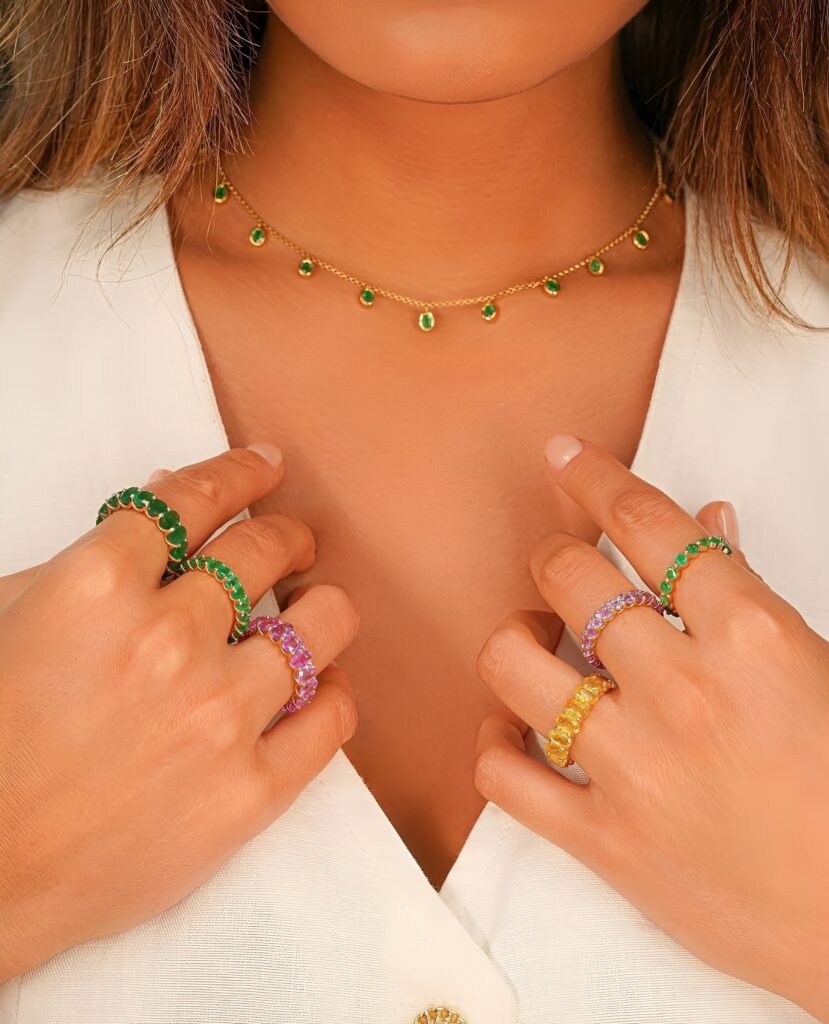
The popular gemstone colours are blue (sapphire, topaz, aquamarine), red (ruby, garnet), and green (emerald, peridot, jade). The “Big Three” of gemstones are the sapphire, ruby, and emerald, which are the most desired gemstone colours. The other popular colours are pink (rose quartz, pink sapphire), purple (amethyst, tanzanite), yellow/orange (fire opal, sunstone, sapphire, and citrine), white (diamonds and pearls), and black (onyx).
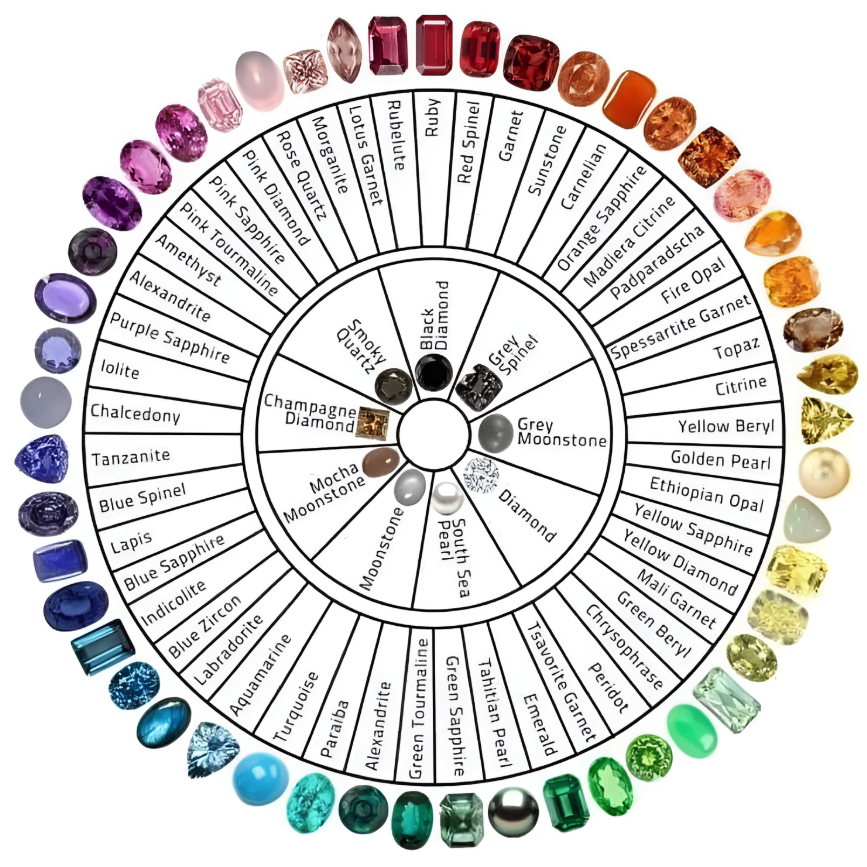
Cultural Influences: Different cultures value colours differently. Red may symbolize love in one society, danger in another. Understanding these perceptions can guide collectors toward stones with higher market appeal.
Clarity
While colour and cut often dominate discussions, clarity defines a gemstone’s overall aesthetic and market value. The gemstone’s clarity has a key factor, such as:
- Inclusions: Small internal flaws are normal in natural stones, especially emeralds.
- Blemishes: Surface imperfections can affect value but are often less critical than inclusions.
- Evaluation: Eye-clean stones (no visible inclusions to the naked eye) are highly prized.
Grading System and Type:
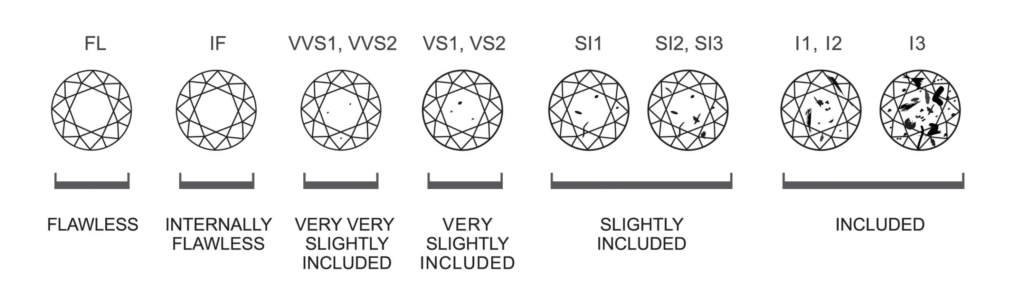
Clarity is categorized by the Gemological Institute of America (GIA), which uses a standardized grading system that assesses under 10x magnification according to established standards and typical clarity expectations for each gemstone type.
Grade System:
- FL (Flawless) | No inclusions or blemishes visible under 10x magnification. (Extremely rare in both diamonds and colored gems).
- IF (Internally Flawless) | No inclusions visible under 10x magnification, though minor surface blemishes may be present.
- VVS (Very, Very Slightly Included) | Minute inclusions that are extremely difficult for a skilled grader to see under 10x magnification.
- SI (Slightly Included) | Noticeable inclusions that are easy to observe under 10x magnification, and may be visible to the naked eye.
- I (Included) | Obvious inclusions visible to the naked eye that may affect the gemstone’s transparency, brilliance, or durability.
Clarity Types:
Coloured gemstones are categorized by three types based on their natural propensity for inclusions.
Type 1: Gemstones that are often virtually free of inclusions, such as aquamarine and blue topaz. They are usually expected to be eye-clean.
Type 2: Gemstones that usually have some inclusions, but the finest examples are often “eye-clean” (no inclusions visible to the unaided eye) and usually minor eye-vision, such as rubies and sapphires.
Type 3: Gemstones that are almost always included, such as emeralds and some tourmalines. Even fine quality stones are expected to have visible inclusions.
Factors and Characteristics:
The gemstone’s clarity grade is determined by various factors related to the inclusions and blemishes:
- Size: Larger inclusions generally have a greater impact on the grade.
- Number: The more inclusions present, the lower the clarity grade tends to be
- Position: Inclusions located in the center (under the table) are more visible and impactful than those near the edges.
- Nature: This refers to the type of inclusion (e.g., a feather, crystal, or cloud) and its impact on the stone’s durability.
- Colour/Relief: Inclusions that contrast sharply with the host gem’s colour are more obvious
Mineral crystals, fractures (feathers), clouds (hazy areas), needles, and cavities are examples of common inclusions. Because they produce distinctive optical phenomena, some inclusions, such as rutile silk in star sapphires, can occasionally be desirable and even raise a gem’s value.
Cuts:
A gemstone’s cut is the human craftsmanship that enhances the beauty of a quartz crystal. Shape refers to the gemstone’s outline (round, oval, emerald, etc.), and the cut refers to the arrangement of the facets that determine how the stone interacts with light to create its glow, fire, and colour depth.
The Three Types of Cuts Style:
- Step Cut: Characterized by horizontal facets and clean lines, this cut emphasizes the gemstone’s colour and transparency. Its long, rectangular facets, arranged parallel to the stone’s edges like a flight of stairs and create a subtle, elegant gleam, making it especially suited to larger stones. Seen in Emerald and Asscher cuts, this style highlights the gemstone’s clarity and natural colour rather than intense sparkle.
- Brilliant Cut: Designed to maximize sparkle, this cut is ideal for diamonds and other highly reflective stones. A gemstone’s cut represents the craftsmanship that transforms a raw crystal into a radiant jewel. While shape refers to the gemstone’s outline, such as round, oval, or emerald, the cut describes the precise arrangement of facets that controls how light travels through the stone, creating brilliance, fire, and depth of colour.
- Mixed Cut: Combines two cuts, often featuring a step cut for its depth and brilliant cuts to crown the sparkle, balancing clarity and brilliance.
Popular Gemstone Shapes
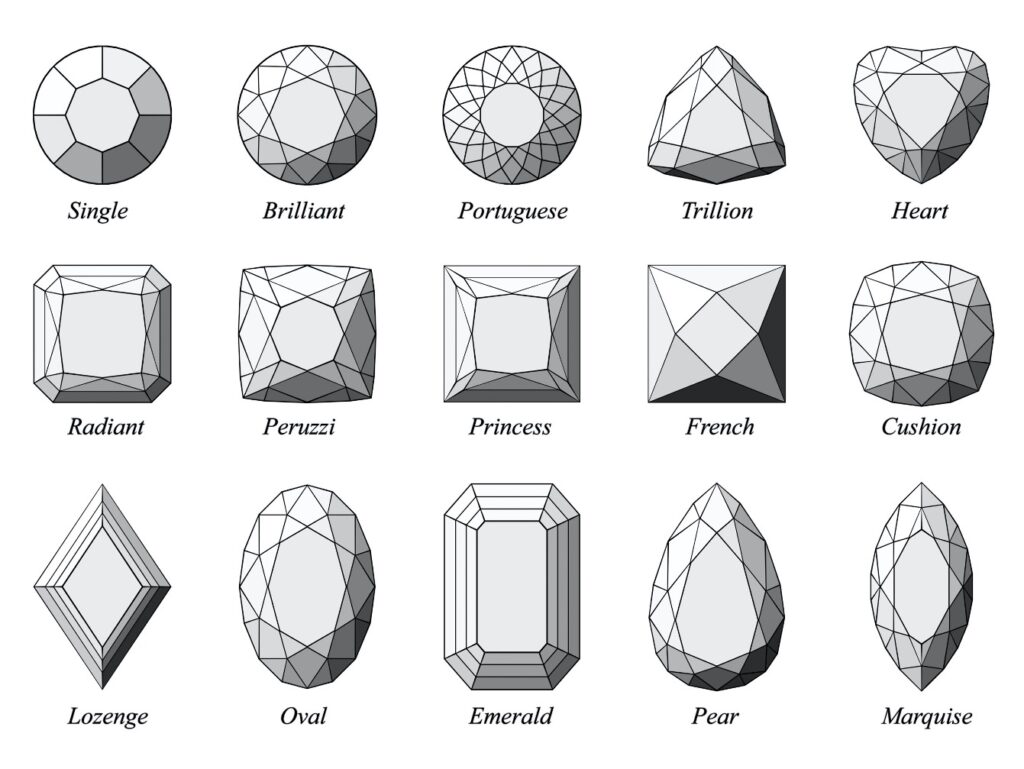
Popular styles that are specific facets of arrangement include:
- Round Brilliant: The most popular cut, featuring 57 or 58 facets to achieve maximum light return.
- Princess: A modern, square cut with sharp corners and high brilliance.
- Cushion: Also known as the “pillow cut,” this style features rounded corners and larger facets, creating a vintage and romantic glow.
- Marquise: An elongated shape with pointed ends, designed to maximize perceived carat weight and flatter the finger.
- Pear: The teardrop diamond is a hybrid gemstone shape that combines the round brilliant and marquise cuts, characterized by a rounded end and a pointed tip.
- Emerald: A classic step-cut gemstone shape, typically rectangular with cropped corners.
- Oval: A common, diamond cut, stretched round brilliant, known as much for similar brilliance to rounds, as for elongating fingers, often more affordable as well
The 7Cs of Gemstone Quality
Gemfields has outlined the 7Cs to help buyers evaluate gemstones: Colour, Clarity, Cut, Carat, Certified Report, Confidence, Character.
- Colour, Clarity, Cut, Carat: Traditional measures the gemstone’s beauty, quality, shape, and size.
- Certified Report: At your trusted jeweller, ensure you receive validation, authenticity, and treatments from recognized gemological labs (e.g.GIA, IGI).
- Confidence: Buyers are responsible for conducting their own research on the gemstone they intend to purchase beforehand. Hence, buyers should be informed about the gemstone’s value, 4Cs, and ask the jeweller questions to make reasonable decisions.
- Character: The unique charm and story behind each gemstone influence personal connection, lifestyle, and market value.
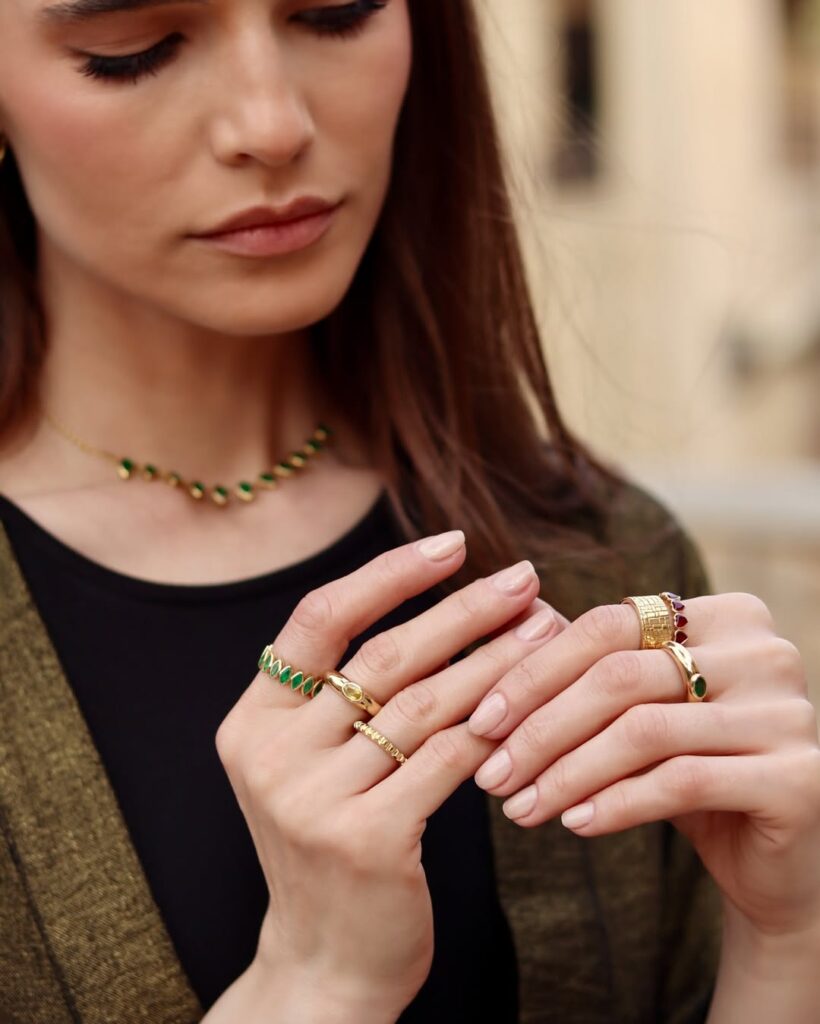
Natural, Treated, and Lab-Created Gemstones
Gemstones come in various forms such as:
- Natural: Gemstones that are formed over millions of years through geological processes that are unique, rare, and often more expensive.
- Treated: Natural gemstones enhanced to improve appearance or durability and their common methods include heat, irradiation, or oiling.
- Lab-Created: Chemically identical to natural gemstones, however are manufactured in a lab. They are more affordable and environmentally friendly than natural gemstones.
Understanding these distinctions helps buyers make intentional purchases that match their budget and values for the gemstone they admire.
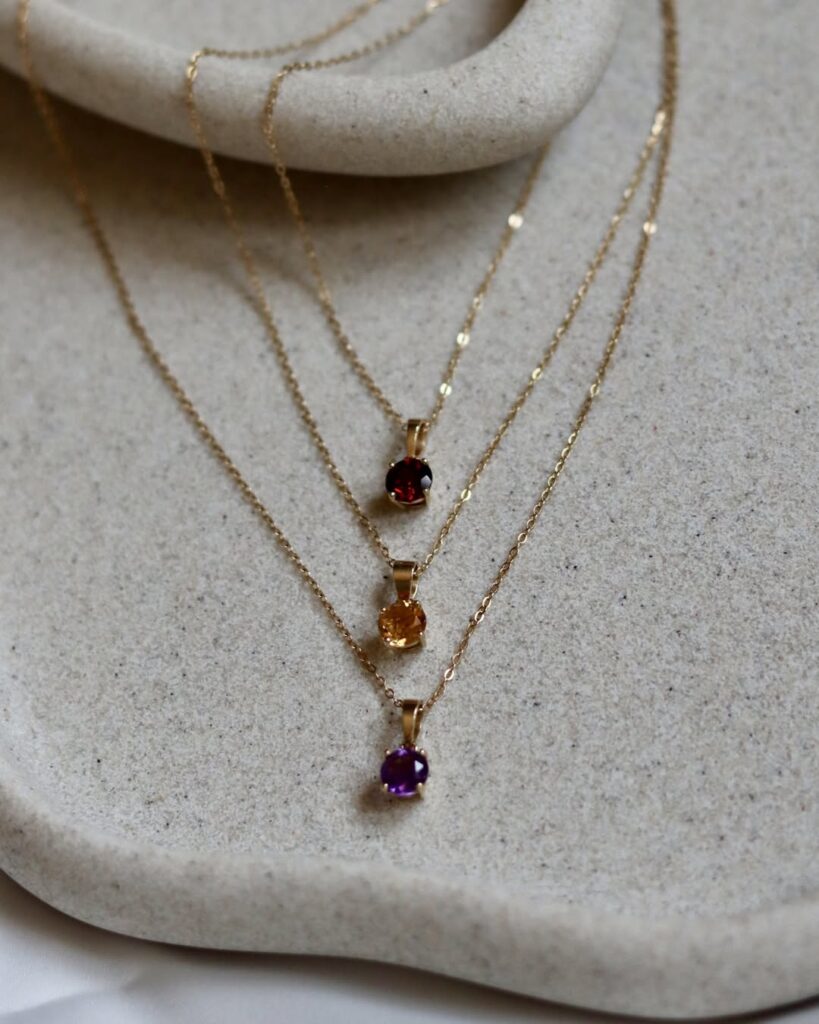
Rarity and Value
Rarity drives value. Some of the rarest gemstones include Painite, Musgravite, Red Beryl, Alexandrite, and Paraíba Tourmaline.
High-value Origins:
- Myanmar, formerly known as Burma: Also known as the “Valley of Rubies”, this region is renowned for some of the finest, desirable, and most valuable gemstones in the world.
- Kashmir, India: Famous for sapphires, they are valued for their intense blue colour and rarity.
- Colombia: Known for its high-value emeralds.
Setting Your Gemstone Budget
A clear budget is essential to avoid overspending and impulsive purchases. The buyer should be aware of the market value and trend analysis.
- Rarity: The rare gemstones command higher prices.
- Quality Assessment: Evaluate cut, clarity, colour, and carat before committing to a gemstone accessory.
- Market Trends: Be aware of demand-driven price fluctuations and inflation.
- Tip: It’s essential to conduct thorough research before making a purchase. So you are aware of the average prices, creating a priority list, and adjusting your budget for exceptional finds.
Best Practices for Buying Gemstones
Where to Buy:
- Online Store: Purchase your gemstone from a trusted jeweler that you or a wide selection of people have purchased from before, good reviews, and convenience.
- Local Retailers: Hands-on evaluation and personal consultation.
Research Considerations:
- Check seller credentials and affiliations (AGTA, GIA, ICA).
- Read gemstone reviews for real-world insights.
- Inspect gemstones physically if possible, using natural light.
Certification: Ensure important purchases come with a recognized certification to verify authenticity and treatments.
Caring for Your Gemstones
Proper care preserves value and beauty:
- Cleaning: Use soft brushes and mild soap. Avoid harsh chemicals.
- Storage: Store your jewelry in padded boxes or pouches, away from direct sunlight. Keep harder stones and metals separate from softer ones.
- Professional Maintenance: Schedule regular appointments with your trusted jeweller for thorough cleaning and inspection to prevent damage and extend the lifespan.
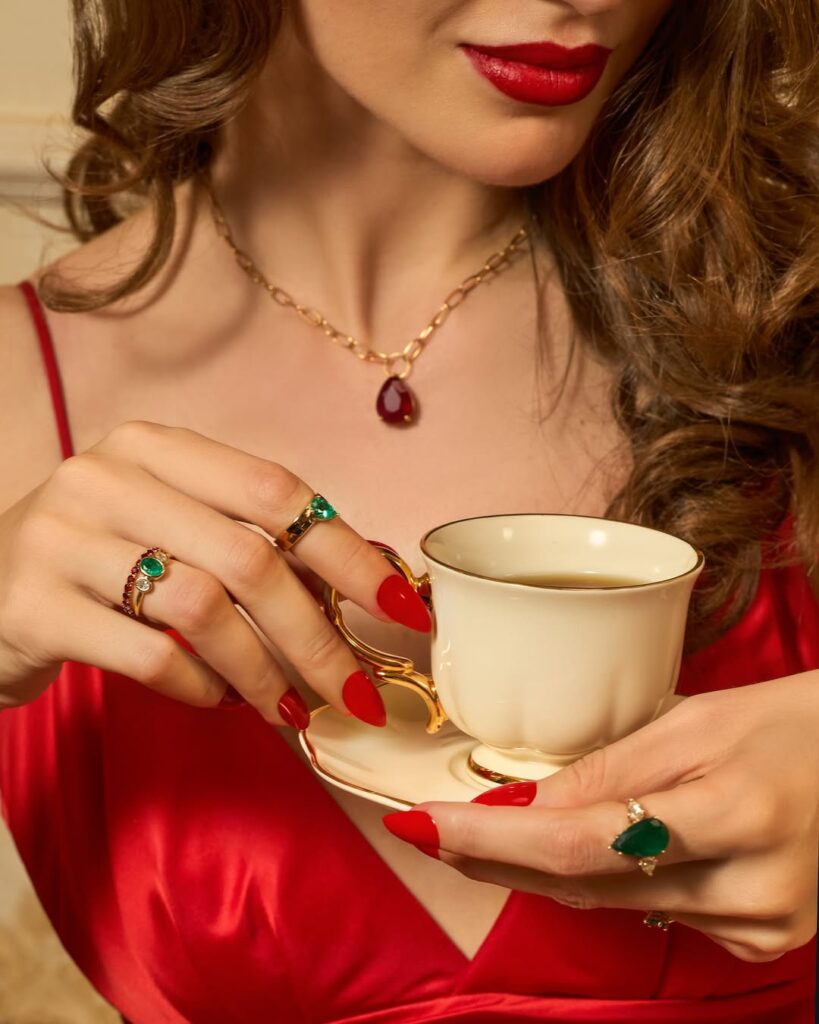
The 4Cs: Final Checklist
- Colour: Rich, vivid, and evenly distributed.
- Clarity: Eye-clean or characteristic inclusions for certain stones.
- Cut: Maximizes brilliance and sparkle.
- Carat: Balance size with quality.
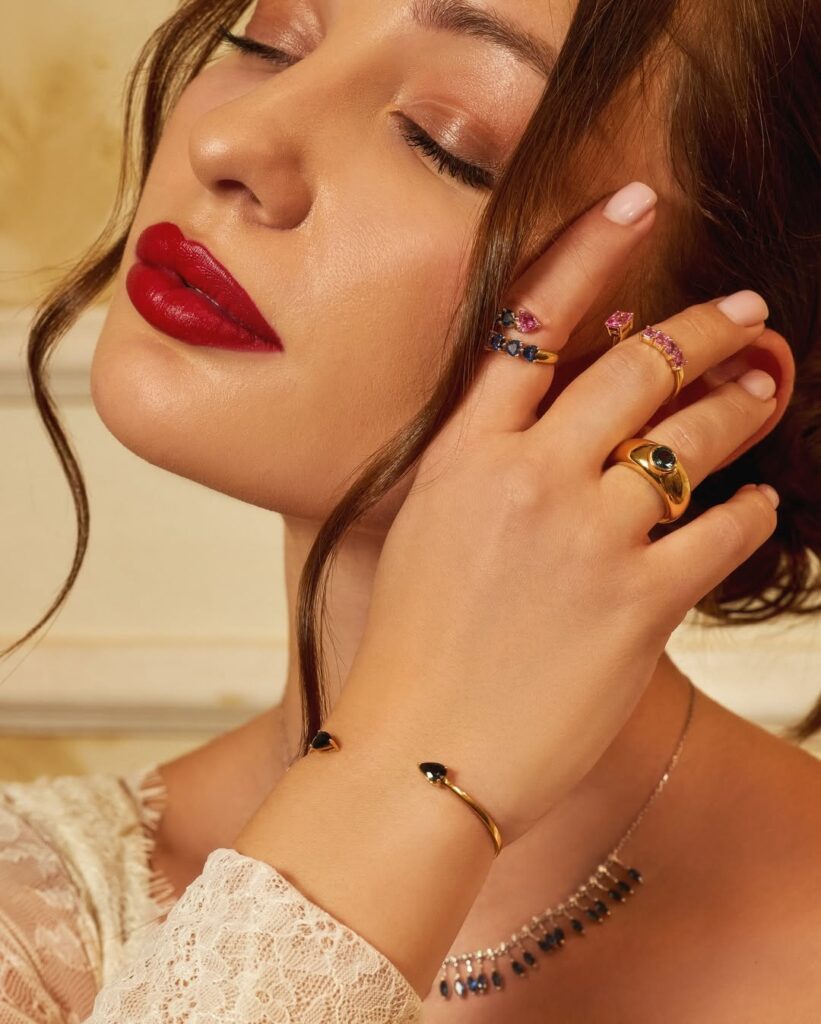
Buy with Confidence and Intention
From colour and clarity to rarity, certification, and market trends, you are now equipped to choose gemstones with confidence and clarity. Every gem has a story and a meaning behind it, and the right one will resonate with your taste, values, and life.
By understanding the 7Cs, differentiating between natural, treated, and lab-created stones, and staying informed about market trends, you can shop smarter and shine brighter. Your next gemstone is not just an accessory; it’s a personal treasure from Jewels by Galla, and it’s a symbol of beauty, history, and meaning.
